
Get Grease Trap Pumping in Gwinnett County, GA
Grease trap pumping services help property owners in Gwinnett County, GA, and nearby areas prevent backups, odors, and plumbing issues through professional cleaning and maintenance.
Grease trap pumping services are essential for maintaining the proper function of commercial kitchens, restaurants, and food service facilities in Gwinnett County, GA. Regular pumping helps prevent the buildup of fats, oils, and grease that can cause blockages and backups, ensuring smooth operation and reducing the risk of costly plumbing issues. Property owners often seek these services to enhance the safety and reliability of their plumbing systems, minimizing disruptions and safeguarding their investment in the property.
In addition to preventing plumbing failures, professional grease trap pumping can improve overall property appearance and curb appeal. Well-maintained grease traps contribute to a cleaner environment, reducing odors and potential pest attraction. Property owners also appreciate the durability and longevity that regular maintenance provides, which can lead to reduced maintenance needs over time and a more comfortable, functional space for staff and customers alike.
- Commercial kitchens - Grease trap pumping is essential for maintaining proper waste flow and preventing blockages in busy restaurant kitchens.
- Food service facilities - Regular pumping services help ensure compliance with health regulations and avoid costly plumbing issues.
- Industrial food processing plants - Grease trap maintenance is needed to manage high-volume waste and prevent equipment malfunctions.
- Hospitality establishments - Hotels and catering venues require routine grease trap pumping to support smooth kitchen operations.
- Institutional cafeterias - Schools, hospitals, and large-scale cafeterias benefit from scheduled services to manage grease buildup effectively.
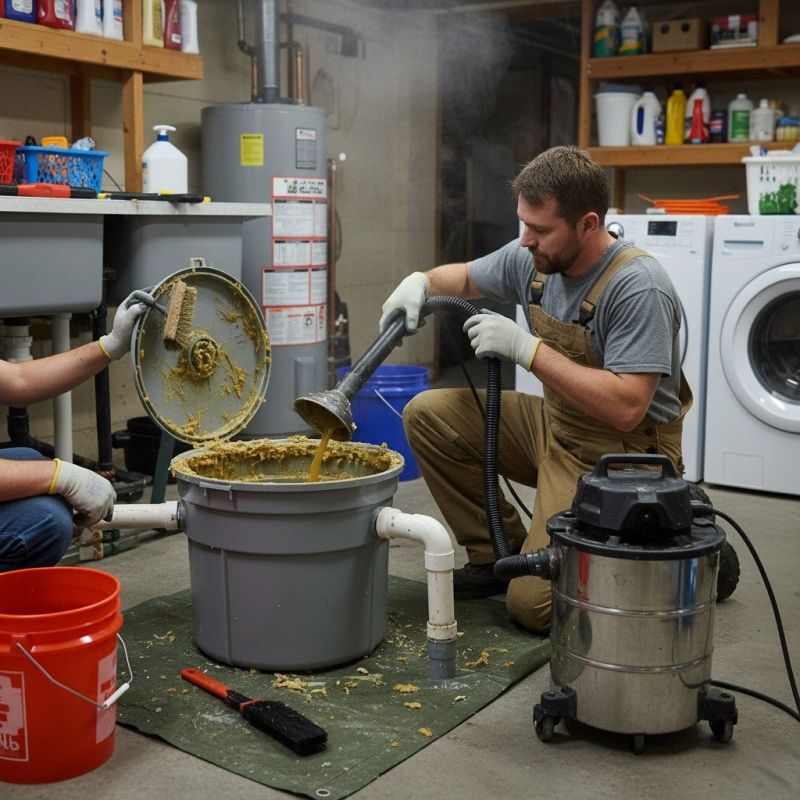
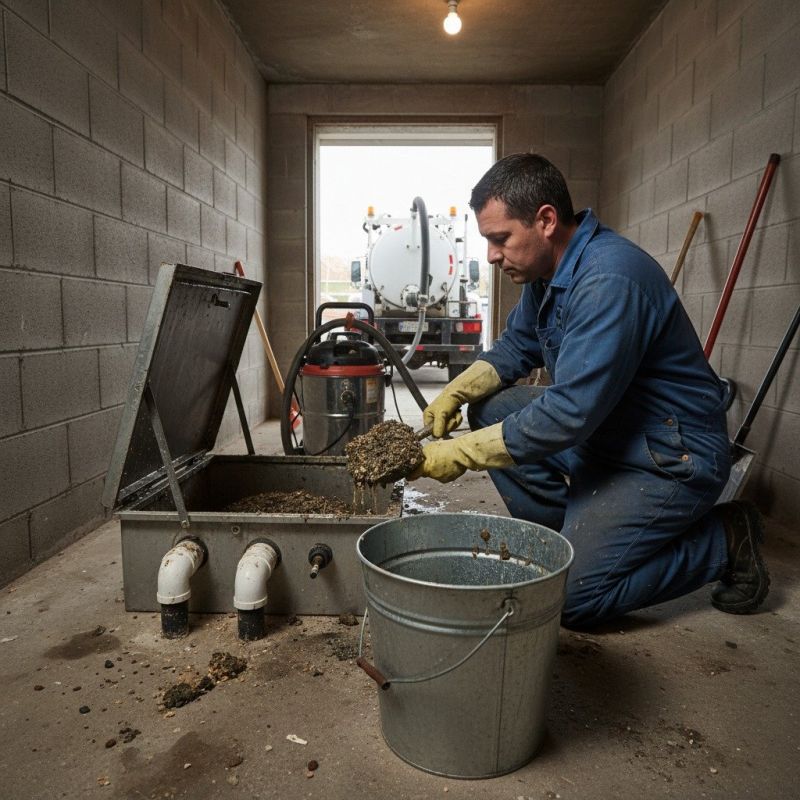
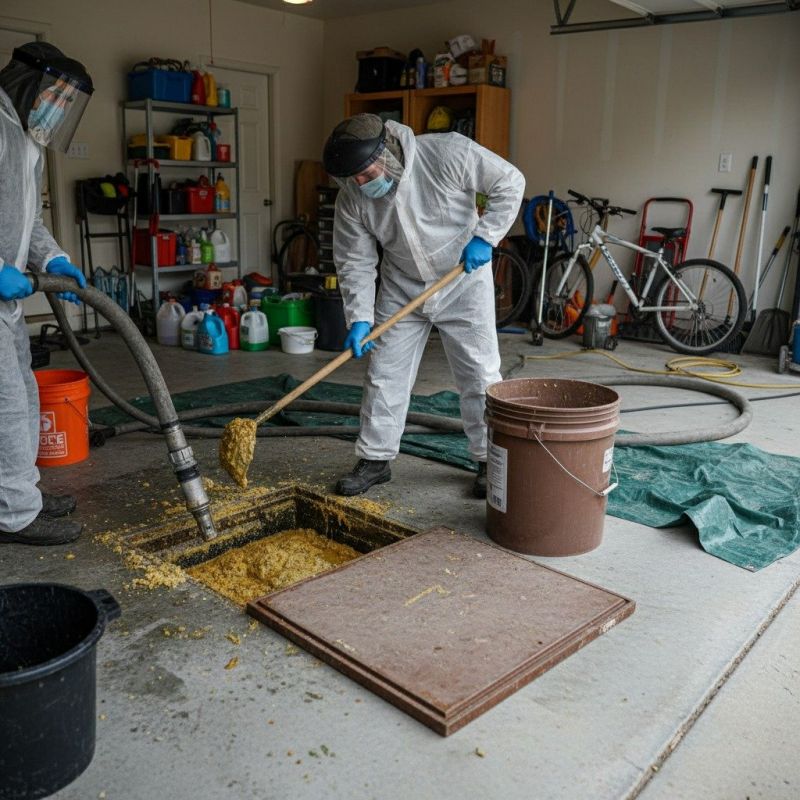
Grease trap pumping services involve the removal of accumulated fats, oils, and grease (FOG) from commercial and industrial grease traps. These services typically include the thorough extraction of waste materials to prevent blockages and overflows. Proper pumping helps maintain the functionality of grease traps, ensuring they operate efficiently and reduce the risk of foul odors, backups, and potential plumbing issues. Regular maintenance by professional service providers can extend the lifespan of grease traps and contribute to smoother operation of the property's plumbing system.
Addressing grease buildup through pumping services helps solve common problems such as clogged drains, foul odors, and unsanitary conditions. When grease traps are not routinely emptied, FOG can solidify and cause blockages in the plumbing lines, leading to costly repairs and operational disruptions. Additionally, excess grease that spills into the wastewater system can cause environmental concerns and potential violations of local regulations. Professional grease trap pumping ensures that waste is properly removed and disposed of, helping property owners avoid these issues.
Properties that typically utilize grease trap pumping services include restaurants, cafeterias, catering facilities, hotels, and food processing plants. These establishments generate significant amounts of FOG as part of their daily operations and are often required to maintain regular cleaning schedules. Commercial kitchens, in particular, rely heavily on efficient grease trap maintenance to meet health and safety standards while avoiding costly plumbing problems. Other properties, such as supermarkets and large-scale food production facilities, may also benefit from routine grease trap pumping to ensure smooth and compliant operations.
In addition to commercial kitchens, some industrial facilities and institutions with food service operations may also require grease trap pumping services. The frequency of service depends on the size of the grease trap and the volume of FOG generated. Engaging with local service providers can help property owners develop a maintenance schedule tailored to their specific needs, ensuring that grease traps are properly maintained and that plumbing systems remain functional. Regular professional pumping can prevent potential issues, minimize downtime, and support compliance with local sanitation standards.
The overview below groups typical Grease Trap Pumping projects into broad ranges so you can see how smaller, mid-sized, and larger jobs often compare in Gwinnett County, GA.
In many markets, a large share of routine jobs stays in the lower and middle ranges, while only a smaller percentage of projects moves into the highest bands when the work is more complex or site conditions are harder than average.
Cost Range - Grease trap pumping services typically cost between $150 and $350 per service. Larger or more complex systems may incur higher charges, reaching up to $500 or more. Prices can vary based on the size of the trap and local service providers.
Service Frequency - Many businesses schedule grease trap pumping every 3 to 6 months, with costs reflecting the frequency. Annual service costs for commercial properties generally fall within $600 to $1,200. Regular maintenance helps prevent costly backups and repairs.
Additional Fees - Some service providers may charge extra for emergency or after-hours pumping, with fees ranging from $50 to $200. Extra charges can also apply for disposal or disposal fees depending on local regulations and trap size.
Cost Factors - The overall cost depends on the size of the grease trap, accessibility, and local labor rates. Smaller residential traps tend to be less expensive, while larger commercial systems can significantly increase the cost. Contact local pros for precise estimates based on specific needs.
Actual totals will depend on details like access to the work area, the scope of the project, and the materials selected, so use these as general starting points rather than exact figures.
Grease Trap Pumping services involve the removal of accumulated fats, oils, and grease from commercial grease traps to ensure proper functioning. Local service providers can help maintain compliance and prevent costly backups.
Commercial Kitchen Maintenance includes grease trap pumping as part of routine cleaning to support health standards and operational efficiency. Contractors experienced in kitchen maintenance can assist with regular service schedules.
Waste Management Solutions encompass grease trap pumping as a key component of managing grease waste responsibly. Professionals in waste disposal can provide specialized pumping services for various facility sizes.
Plumbing and Drain Cleaning services often include grease trap pumping to clear blockages caused by grease buildup. Local plumbers can address issues related to grease trap maintenance and related drainage concerns.
Restaurant Facility Services involve scheduled grease trap pumping to prevent foul odors and plumbing problems. Service providers can coordinate regular pumping to support restaurant operations.
Food Service Industry Support includes grease trap pumping as part of compliance with health regulations. Local contractors can assist food establishments in maintaining their grease management systems.
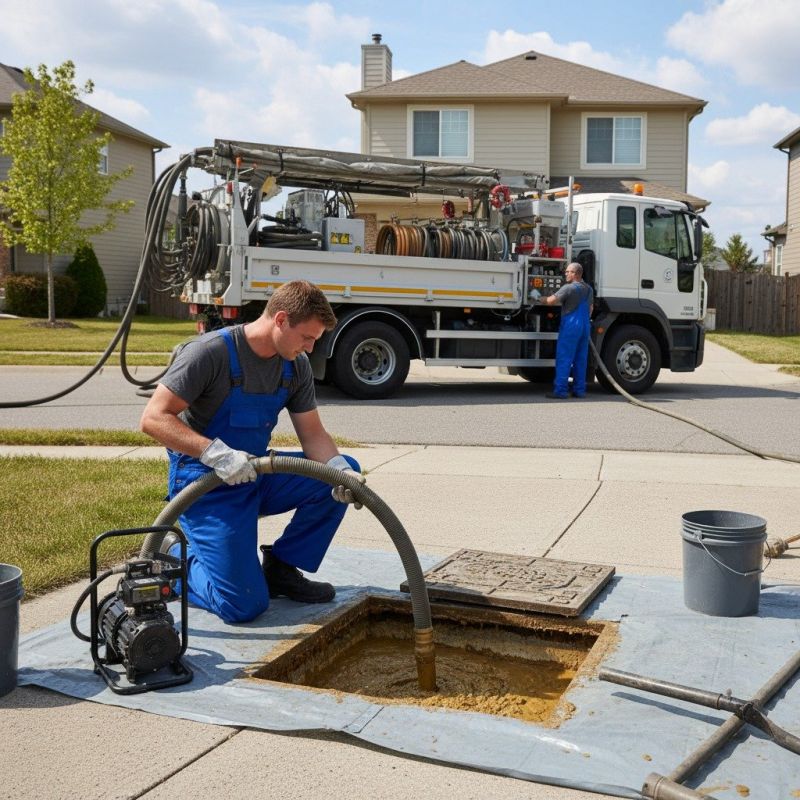
When selecting a professional for grease trap pumping services, it is important to consider the experience and reputation of the local providers. Homeowners should look for service providers with a proven track record in handling grease trap maintenance within the community. Reputable pros often have established histories of reliable service, which can be verified through references or local reviews. Ensuring that a contractor has extensive experience can help in achieving thorough and efficient service, reducing the likelihood of issues arising from improper maintenance.
Clear communication and well-defined written expectations are crucial when working with grease trap pumping specialists. Homeowners are encouraged to discuss service details, including scope, frequency, and any specific requirements, to ensure mutual understanding. Reputable providers are typically transparent about their procedures and can provide detailed explanations of what the service entails. Establishing clear expectations upfront helps prevent misunderstandings and ensures that the work aligns with the property’s needs.
The availability of reputable references and positive feedback from previous clients can serve as an indicator of a local pro’s reliability and quality of work. Homeowners should consider seeking suggestions or reviews from trusted sources within the community to gauge the professionalism of potential service providers. Good communication practices, including prompt responses and willingness to address questions, are also signs of a reputable contractor. Since the information below introduces local options rather than performing the work directly, it is advisable to contact several pros to compare their experience, communication style, and references before making a decision.
Property owners in Gwinnett County, GA use Grease Trap Pumping services for practical projects around their homes and businesses. The sections below highlight everyday jobs and straightforward project options.
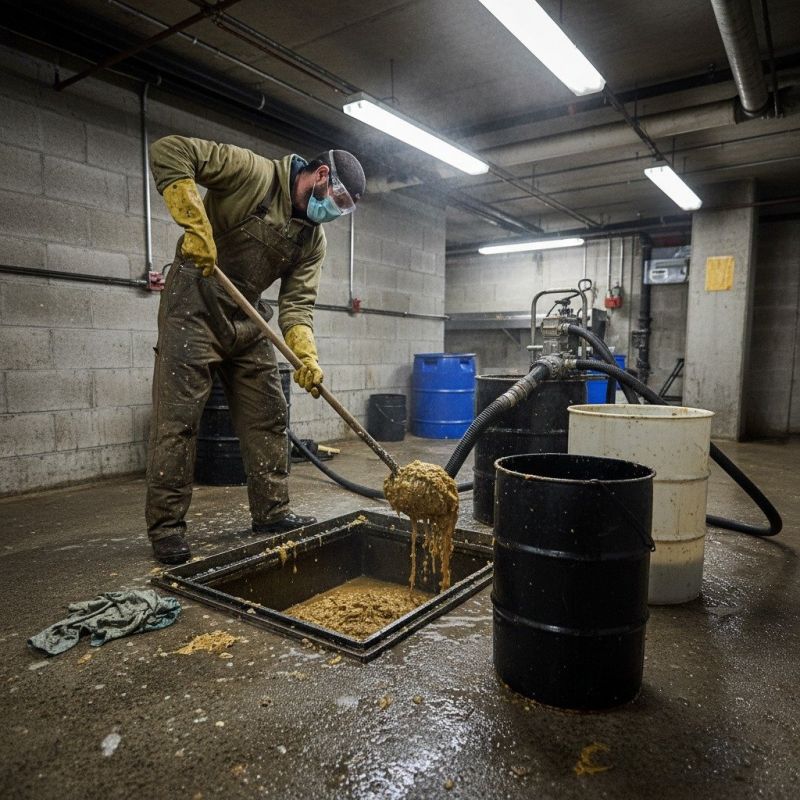
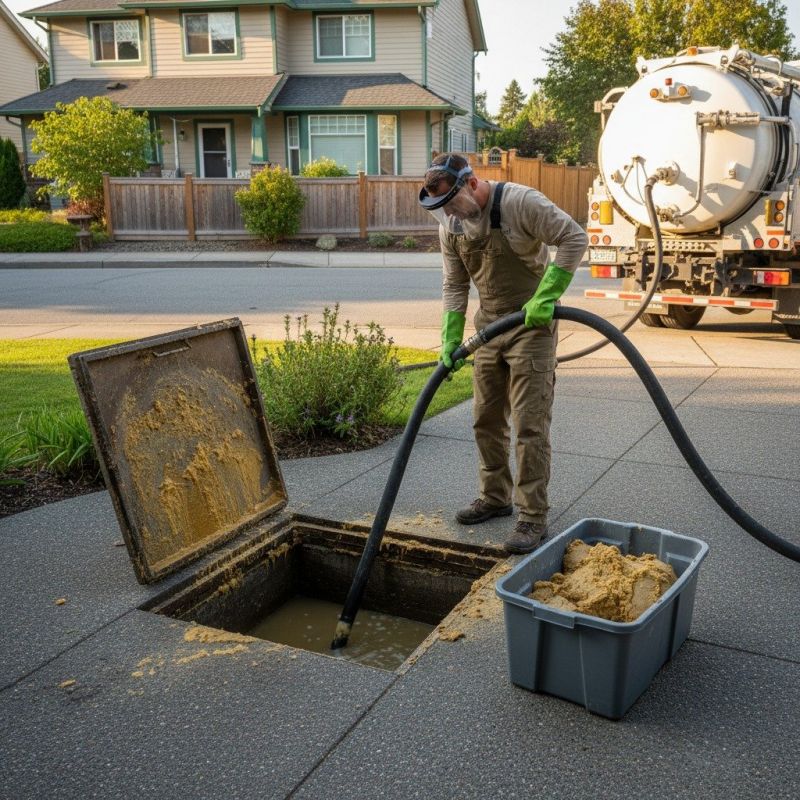
Grease trap pumping services are often needed when commercial kitchens, restaurants, or food service facilities in Gwinnett County, GA, require regular maintenance to prevent grease buildup. Property owners may seek professional pumping to keep their plumbing systems functioning smoothly and to comply with local health and sanitation regulations. Routine servicing helps avoid potential blockages, backups, and costly repairs that can disrupt daily operations.
In addition, property managers and restaurant owners might look for grease trap pumping after noticing foul odors, slow drains, or signs of grease accumulation. Regular pumping ensures that grease traps operate efficiently, reducing the risk of plumbing issues that could lead to service interruptions or health code violations. Connecting with experienced local service providers can help property owners maintain proper grease management and keep their facilities running effectively.
What is grease trap pumping? Grease trap pumping involves removing accumulated fats, oils, and solids from a grease trap to ensure proper functioning and prevent blockages.
How often should a grease trap be pumped? The frequency of pumping depends on usage, but many facilities schedule service every few months to maintain optimal performance.
What are signs that a grease trap needs pumping? Signs include foul odors, slow drainage, or standing water around the trap area indicating it may be full and requires servicing.
Are there regulations for grease trap maintenance? Local regulations often require regular inspection and pumping to prevent plumbing issues and environmental contamination.
How can I find local grease trap pumping services? Contacting local service providers can help schedule professional grease trap pumping tailored to specific needs in Gwinnett County and nearby areas.
Grease Trap Pumping Services - Local service providers offer professional grease trap pumping to help maintain proper waste management.
Scheduled Maintenance - Regular pumping services can prevent blockages and ensure compliance with local regulations.
Emergency Pumping Solutions - Contractors provide prompt response options for unexpected grease trap issues or overflows.
Customized Service Plans - Pros can develop tailored pumping schedules to meet the specific needs of commercial and industrial facilities.
Considering Grease Trap Pumping for a property in Gwinnett County, GA? The sections above highlight common project types, practical options, and details that often shape the scope of work.
When you are ready, use the quote form to share a few details about your project. Local pros can review the basics and respond with options that match what you have in mind.